
Lubricants ensuring a frictionless Clean Industrial Deal
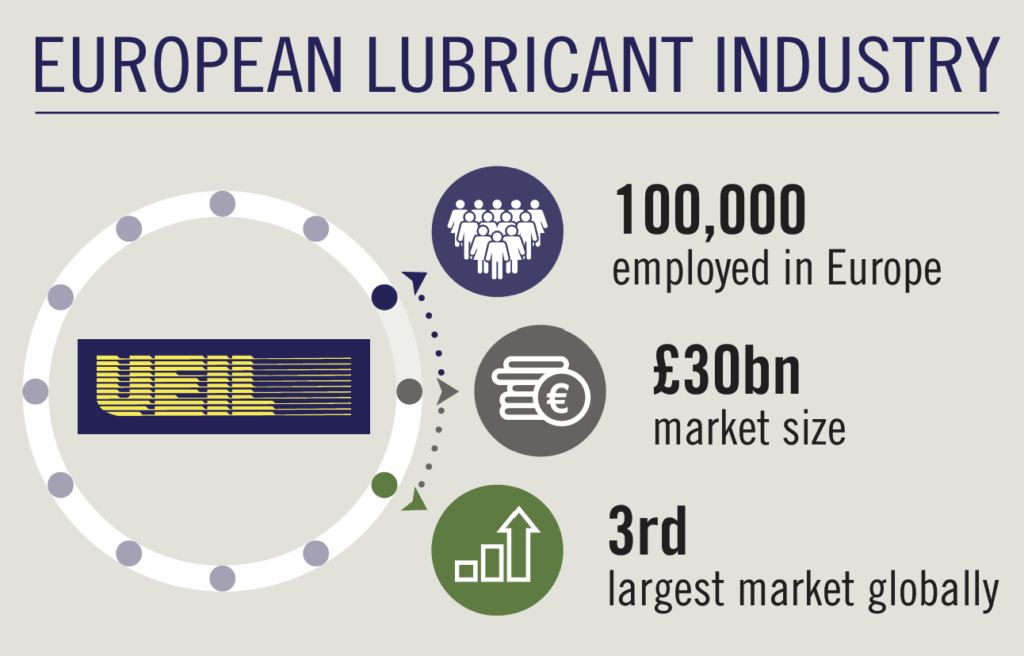
Lubricants are key to the success of Europe’s industry and transportation systems, contributing 1.4% of European GDP annually. Lubricants are present in all manufacturing sectors – from food processing to metalworking, from precision engineering to textiles and clothing – where they help to lower the amount of energy required to carry out industrial processes.
Lubricants create a thin, protective film to separate different moving parts of machinery, so they do not come into contact with each other and create friction, heat and wear. By reducing friction, conserving energy, improving machine lifespans and reducing emissions, lubricants lie at the heart of a net-zero and competitive European economy:
- 2-4% reduction in GHG emissions in the road transport sector thanks to quality lubricants in 2020, when compared with 2005. This equates to almost 1% of the decarbonisation of the entire EU economy.
- 40% potential reduction of energy losses in the long term (15 years) thanks to new materials and lubrication technologies that reduce friction and wear of machinery.
- 970,000 million € and 3,140 million tonnes of CO2 saved long term as the result of implementing tribological technologies.
From wind turbines to electric cars, many new strategic green technologies rely heavily on the innovative lubricants produced by UEIL members to meet Europe’s ambitious climate goals.
